Home | Preparing to Visit
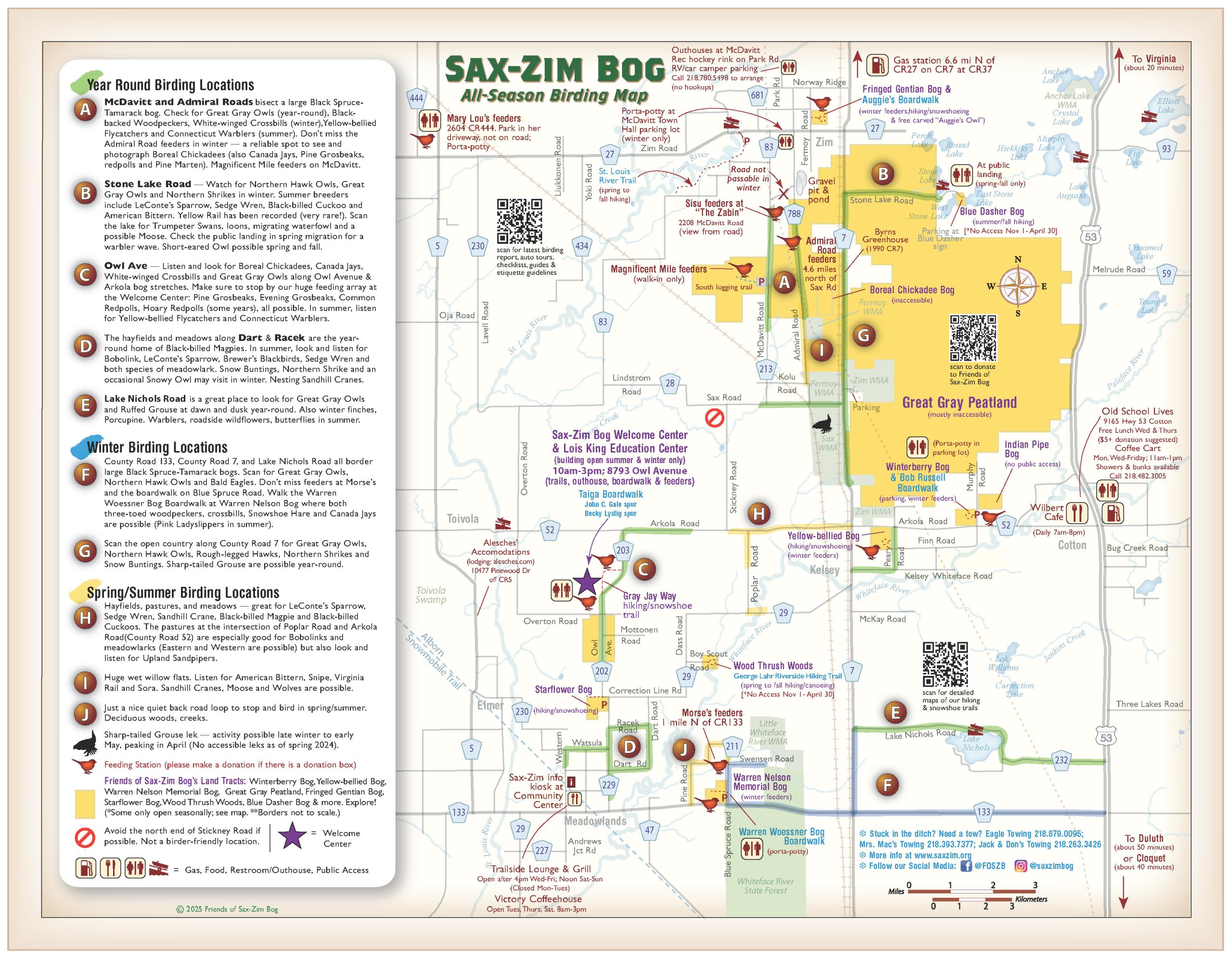
Most first time visitors are surprised by the scale of the Sax-Zim Bog! This place is over 300 square miles and contains many diverse habitat types. To best navigate the Bog, pick up a copy of the Birding Map at the Welcome Center, Birding Kiosk in Meadowlands, or download a copy from our website. The map gives great suggestions on where to start and information at the Welcome Center can help refine your search and gives a chance to ask questions to staff (in the winter and summer). Call our Sax-Zim Bog phone line 218-209-2266 to hear the latest flora and fauna sightings. If you would like a quick suggestion on how to best approach this area, check out our Winter Auto Tour!
As far as what to do when you visit… there are many options! While birds get much of the attention during the winter and summer, there are other ways to experience this area. Most of the exploring done in this area is from along roadsides or along boardwalks through Friends of Sax-Zim Bog Properties. The landownership in the area ranges from private land (homes and farms) to state land (Wildlife Management Areas and State Forest) to county land to land we own (over 25,000 acres!). To learn more about our properties and where to find our boardwalks and other trails check out the birding map above or Friends of Sax-Zim Bog Property and Trails menus below:
The Welcome Center is open daily during the winter and summer from 10 am to 3 pm. The Welcome Center is closed during the spring and fall (with exceptions for field trips or private programs). Information, including birding maps and our recent bird sightings board, are located outside the building. Our outhouse is open year round.
Winter Open Dates: Open December 1- mid-March; closed December 25
Summer Open Dates: Open June 1- September 30
If you are hoping to learn a little more on your visit, consider attending or scheduling a field trip for your organization, school group, or small group during your visit to the Sax-Zim Bog! Please contact Head Naturalist Clinton at naturalist@saxzim.org for scheduling availability and rates or learn more here.
Understanding the habitat needs of birds or critters you are hoping to see can help make your trip a success!
The greater Sax-Zim Bog ecosystem is incredibly biodiverse, home to over 4,300 species. This region also includes habitats as diverse as agricultural grassland habitat, black spruce and tamarack bog, sandy red and jack pine forests, mixed balsam fir and aspen forest, just to name a few! While some species might be at home in every habitat, many others are specialized to one habitat.
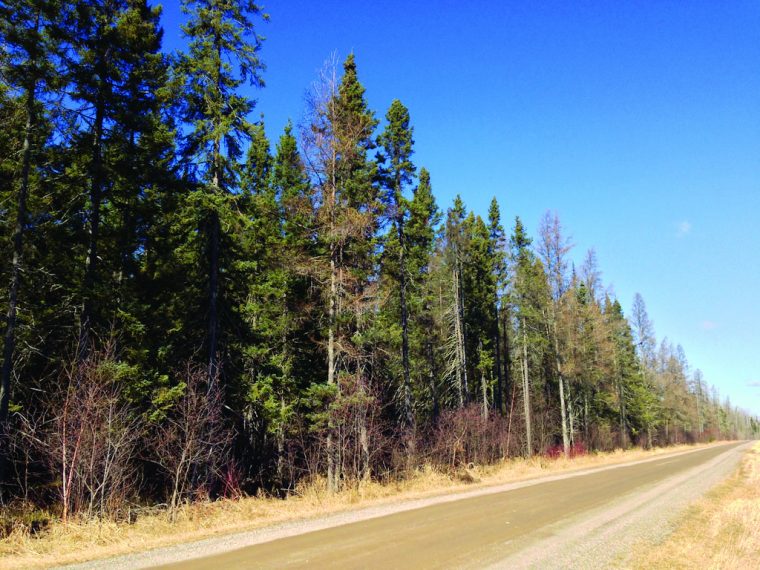
For example, Great Gray Owl is resident in the area, but only in Black Spruce and Tamarack Bogs. You won’t find these birds in hayfields or aspen forest, except during irruptions! More notes on timing can be found in the next section.
More examples of target species and their habitats are included below:
Black Spruce and Tamarack Bog
Open-field Habitats
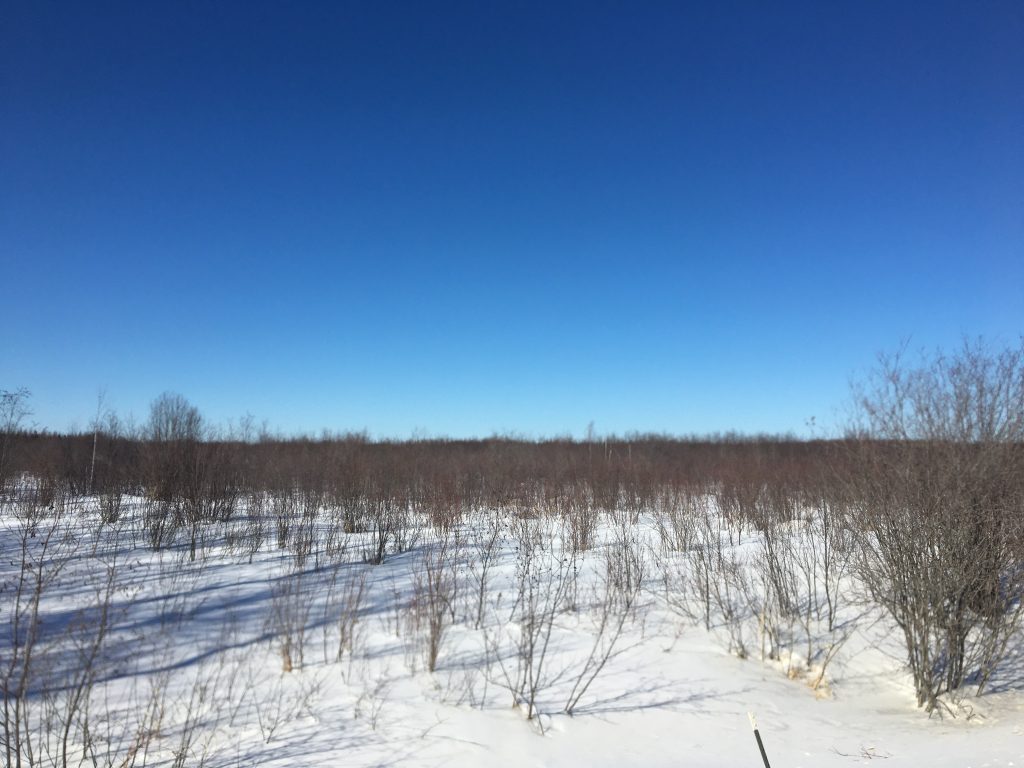
Alder Swamp
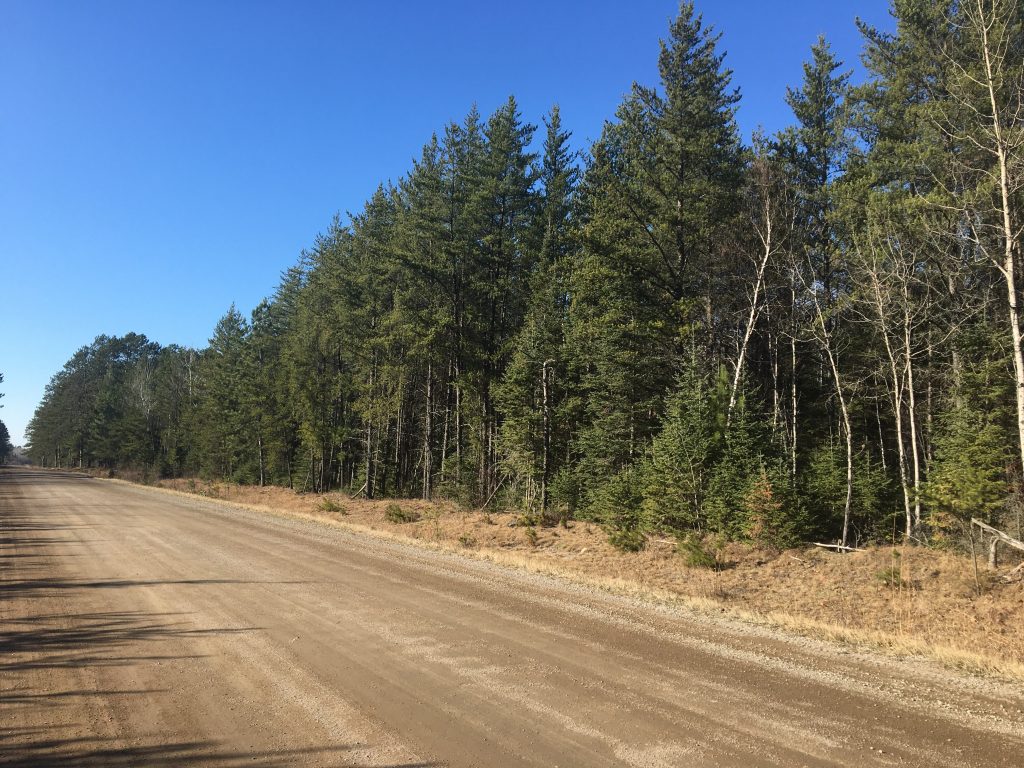
Upland Forest
Year-round: Great Gray Owl, Black-backed Woodpecker, Boreal Chickadee, Canada Jay
Summer Only: Yellow-bellied Flycatcher, Connecticut Warbler, Blackburnian Warbler, Lincoln’s Sparrow
Winter Only: White-winged Crossbill (occasionally summer), Northern Hawk-Owl, Pine Grosbeak
Year-round: Sharp-tailed Grouse (very rare nowadays), Black-billed Magpie
Summer Only: Bobolink, Sandhill Crane, LeConte’s Sparrow, Sedge Wren, Eastern and Western Meadowlark
Winter Only: Rough-legged Hawk, Northern Shrike, Snowy Owl, Snow Bunting (fall migration, rarer into winter)
Year-round: None
Summer Only: Sora and Virginia Rail, American Bittern, Northern Waterthrush, Yellow Warbler, Alder Flycatcher
Winter Only: Redpolls, Northern Shrike, Rough-legged Hawk
Year-round: Ruffed Grouse, Pileated Woodpecker, Pine Siskin, Red-breasted Nuthatch
Summer Only: Wood Thrush, Mourning Warbler, Canada Warbler, Black-throated Green Warbler
Winter Only: Evening Grosbeak, Pine Grosbeak, Red Crossbill (occasionally summer)

Depending on the season, you may need to prepare for very cold winter conditions or bugs and humid summer conditions. We offer a few suggestions to these questions in our Frequently Asked Questions Section. Checking Friends of Sax-Zim Bog’s Facebook Page and Instagram accounts can also be useful for recent sightings, road conditions, or field trip announcements.
One final consideration to make is that the Sax-Zim Bog is a remote landscape. There are very few options for restrooms, gas stations, or dining options. Suggestions for each of these are listed on our Birding Map. Please plan accordingly and pack in what you pack out.
Over 85% of our visitors come in winter. But when visiting the Sax-Zim Bog, there are a couple of considerations to make prior to your visit. Most visitors are interested in a chance at seeing and photographing Great Gray Owls, which are resident in the Sax-Zim Bog. Often winter is the best time to see this iconic species of the boreal forest and bog habitats, though you still could see one during the summer! So how do you choose when to visit? The below should help those visiting the Sax-Zim Bog for the 1st or 101st time.
Pine Grosbeak, Evening Grosbeak, Redpolls and some resident species that are easier to find during the winter like Boreal Chickadee, Canada Jay, Black-backed Woodpecker, and Great Gray Owls are most reliably found from early-December to the beginning of March. Wintering species like Rough-legged Hawk, Northern Shrike, and winter finches tend to start arriving in mid-late November and can linger into April.
Migratory species start arriving as early as mid-March (American Woodcock, Northern Saw-whet Owl, Northern Harrier), but the bulk of our nesting species begin arriving in May. There are around 21 species of warbler that nest in the area, many are on territory by mid-May and typically continue singing through June.
Wildflowers have three or four distinct blooming seasons, with peaks of diversity in most obvious in mid-May, June, and late-July. Orchid diversity is typically seen in late June, with Pink Ladyslippers beginning to bloom as early as late May and continuing through July.
Butterfly diversity is best in late-June to July. Dragonfly and damselfly diversity peaks in mid-June. To highlight some of this diversity, our BioBlitz is usually mid-late summer.
Spring and fall are both fine times to visit the Sax-Zim Bog, but do consider that road conditions are usually poor in April and deer hunting season begins in November. The Welcome Center is not open during late-March, April, May, or October and November.
Those interested in fall colors might find a visit or two to the Sax-Zim Bog worthwhile! Maples and aspens begin changing color in mid-late September, with tamaracks changing color in mid-October.
Bird migration is tricky in the bog, as there is so much good habitat for birds to rest and refuel on their way south. Fall Migration in northern Minnesota typically begins in mid-August and continues through November; with Spring Migration starting in March and continuing to the first part of June.