It has been a while since I made a post about biodiversity milestones in the greater Sax-Zim Bog ecosystem. In fact, the last blog post about biodiversity came in 2021 when we crossed 2,700 species! Perhaps this is because of our page dedicated to species diversity found here. Or. It could just be that it takes time to identify some of the newer additions to the species list, as species get more difficult to find..
As always, documentation of the species included on our species list come to be added to the list from experts during our bioblitzes, from confirmed iNaturalist observations, from DNR or Minnesota Biological Survey data, species collection data (like from the Bell Museum), or from personal observations made by surveyors, researchers, or generally interested folks. It is really amazing to see how far the documentation of species in this region has come since I started my position nearly 10 years ago. Documenting species biodiversity is an interesting endeavor, as it allows me to teach visitors and field trip attendees about the cool things found in habitats in the region, but it also allows our organization a chance to find and document species diversity to see how things might change in the future or to document rare species to make sure we can protect and preserve them for generations to come.
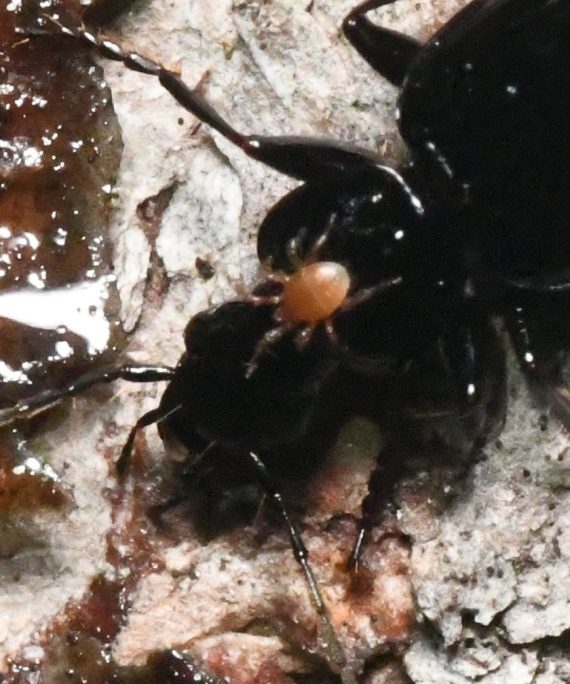
One of the interesting things we have learned from documenting species at this point is how much biodiversity there is and how many of those creatures are relatively poorly known. I think that most of us have the idea that once a species is discovered and named that we understand everything about it’s life history. This is simply not the case. Just documenting species can still be important in conservation. From the perspective of species in scientific collections, the greater Sax-Zim Bog ecosystem is relatively under collected and unknown in scientific collections (like the Bell Museum collection or the University of Minnesota Duluth collections). But, citizen science data can be just as useful as a specific collection.
For example, when a species of poorly known moth is a observed, flight period data is gained at a minimum, but nearby habitats to where it was documented might give an idea of the plants it uses as its host. The benefits of using citizen science cannot be understated. In fact, this year, citizen scientists came through by sharing observations of Subarctic Bluet and Ocellated Emerald, both species of conservation concern in Minnesota and species that hadn’t been documented in the Bog in several years! Subarctic Bluet hadn’t been reported since it’s addition to the list in 2017 and I personally hadn’t seen Ocellated Emerald in 5 years (drought seemed to have a fairly negative impact on this species). Thank you to all folks submitting data to citizen science platforms when you visit the Bog!
So, how far have we come in 10 years of documenting biodiversity?
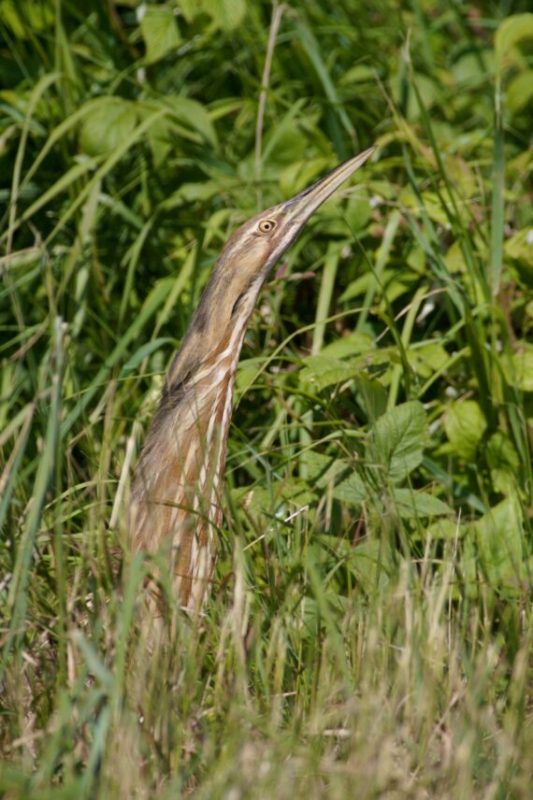
The first Bog Blog post focused on biodiversity was published in August of 2016! This post highlighted our 900 species milestone and includes mentions of several species that were misidentified and no longer included on the list (Sky Blue Aster was mis-ID’d Lindley’s Aster and American Bumble Bee was mis-ID’d Yellowish Cuckoo Bumble Bee… I was just learning the species in the area back in 2016!). Milestones came steadily and by June of 2020, we doubled the species documented in the area. However, the next doubling of the species list took much longer! We finally eclipsed the 4,000 species milestone in October of 2025 (as reported in this Bog Blog!). Seemingly, every 4-5 years we double the number of species documented in the region… but does this mean we will hit the 8,000 species milestone in 2029 or 2030? Your guess is as good as mine!
If we took the time below to shout out the most interesting species we have documented, this post will get quite long… But. There are a few things that are definitely worth noting!
Rare Species
The state of Minnesota has several levels of conservation status when discussing biodiversity of non-game species. The Rare Species Guide features the current list of species of special concern, threatened, and endangered species in Minnesota. There is also a companion to this list called Species of Greatest Conservation Need, which contains species of interest for conservation (rare, declining, or at risk species). In concert with these lists, iNaturalist also includes conservation status updates on species that might be poorly known or have global conservation needs. If we take all of these lists into consideration there are a total of 112 species with conservation need found in the greater Sax-Zim Bog ecosystem, including some species found on Friends of Sax-Zim Bog property. This list breaks down to 50 bird species, 16 species of dragonfly and damselfly, 11 species of plant, 10 mammal species, 7 moth species, 4 species of lichen, 4 species of butterfly, 4 species of jumping spider, 3 species of reptile and amphibian, and 2 species of bumble bee.
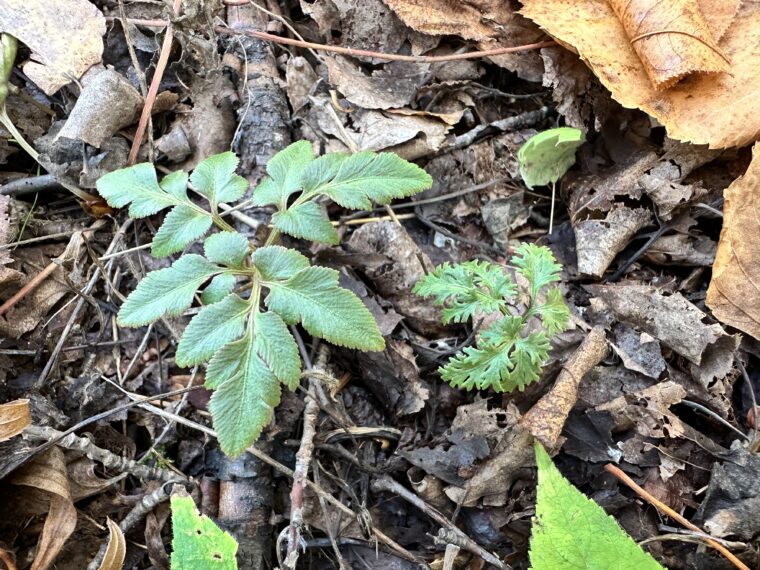
Not all of the species above are found every year (like several migrant bird species) and some of the species on the list have been recently removed from higher conservation listings (like Bald Eagle and the jumping spider Marpissa grata). However, there are many species not included on the lists above that are in need of more study and understanding (in our area and beyond) like rare wetland ladybug species or any number of insect species found in the area. At any rate, we are glad we can play a role in conserving habitat for these diverse species.
Interesting New Species
During the most recent update of the greater Sax-Zim Bog ecosystem species list, several interesting species were added that are worth sharing!
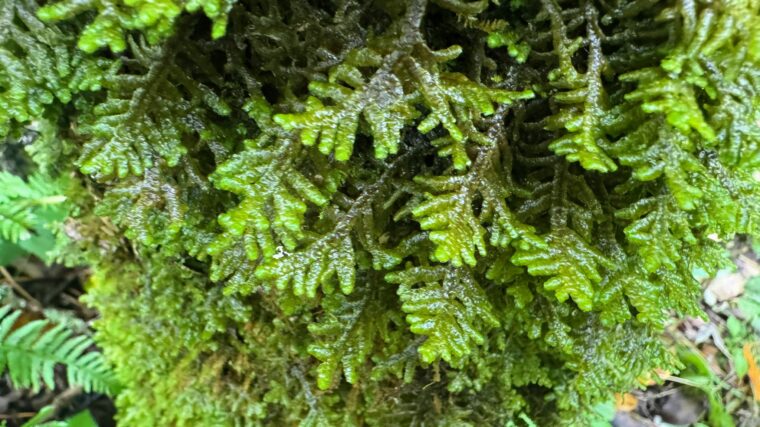
Wall Scalewort
Liverworts are a really cool group of bryophytes (that is moss and moss relatives). Most people think about the large and lichen-like thalloid liverworts, but there is a whole world of liverworts that sit in the shadows waiting to be discovered! This species grows best in wet areas along tree bark and on rocks and is quite tolerant of dry conditions. It is able to complete dry out for long periods of time and recovers quickly once it is re-wetted. Very surely, Wall Scalewort is a species we have walked by dozens and dozens of times before, writing it off as moss. However, the keen eye of Joe Walewski found this species during BioBlitz 13 and it was added to the species list. As it turns out, we have a previous record in the area from 2022, so it is about time this species was added officially to the list!
(photo by Joe Walewski)
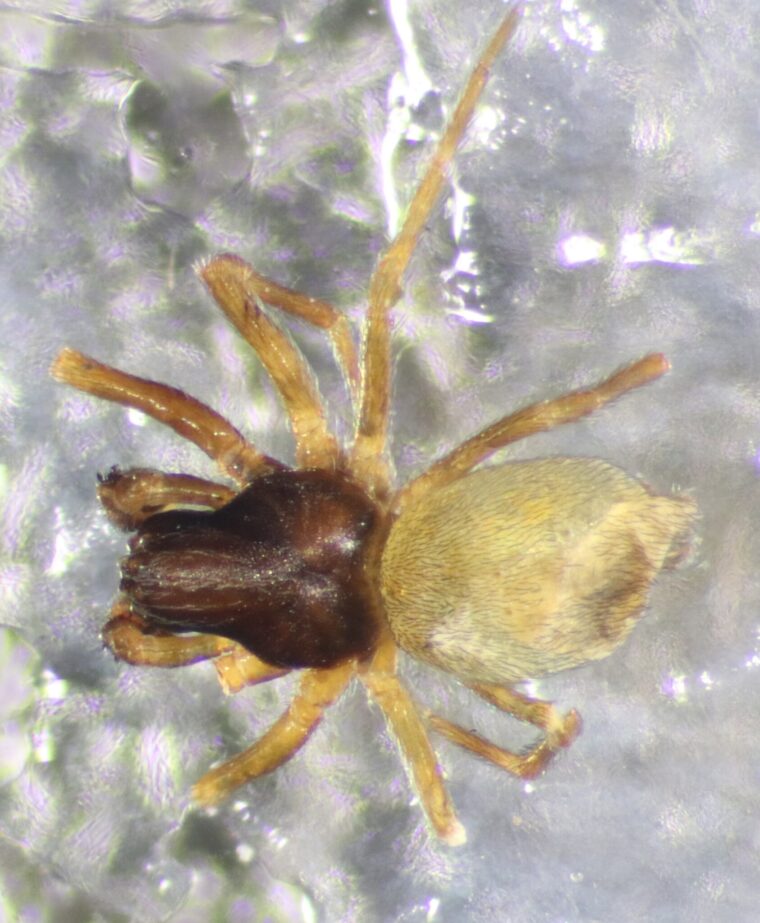
Dictyna quadrispinosa
While this spider might not have a common name and a very long Latin name, it is one of the most exciting spiders that have been recently added to the greater Sax-Zim Bog ecosystem species list! This species was found by a Great Lakes Aquarium Animal Camp group. We were netting insects to learn more about how to find bugs and what exactly “bugs” are! One of the last net sweeps turned up this spider. It was shown to me and I didn’t know what it was, so we collected it and sent it to Chad Heins (Spider Field Trip leader and Minnesota spider expert!). You know spiders are exciting when you get a phone call after an ID was made! It turns out that this spider was not only a first state record, but this is a particularly rare spider in North America. The other cool thing about this specimen, is that it is likely the best specimen of this species in any collection in North America!!
(photo by Chad Heins)
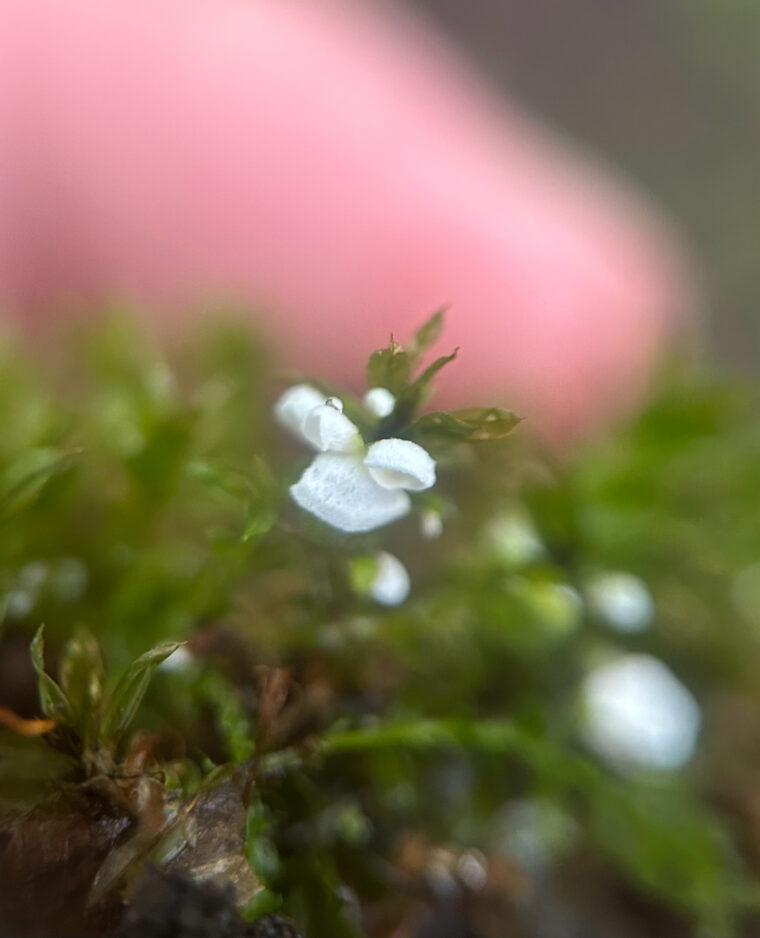
Veined Mossear
Interest in fungi in the Sax-Zim Bog started with one of the first workshops ever offered in the Sax-Zim Bog! From that day, we have been very lucky with 2 additional workshops and several BioBlitz field trips focused on mushrooms and deeper connections to the fungi research world. The diversity that we see in our area is impressive, with a total of 259 species of mushroom (not counting 13 species of slime mold or 63 species of gall forming and rust fungi!). When you are out and about in the woods and bogs of the world, odd things catch your eye. For me, little white dots on some moss caught my eye. I was hoping that I found some slime mold, but was impressed by the tiny, delicate, bryophyte loving mushroom above! And it turns out, there are folks out there studying these species and reached out to me via iNaturalist. Perhaps we will find more tiny, moss eating mushrooms out there of interest!
(photo by Head Naturalist Clinton)
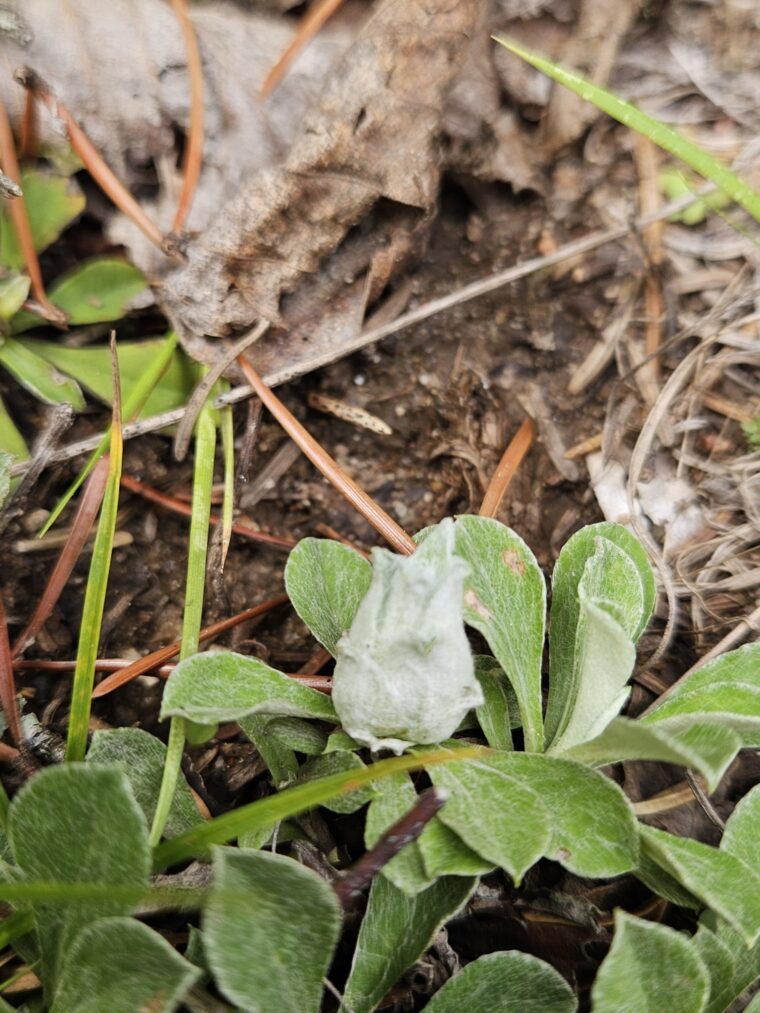
Asphondylia antennariae
As a naturalist, my eyes were opened to galls and leaf miners during a BioBlitz. The first bioblitz led by Sam Guida, as a matter of fact. He has now published a small field guide on commonly seen galls, leaf miners, plant diseases, and more! During the 13th Annual BioBlitz, there were plenty of interesting species found, but this one caught my eye. The flower-like structure you see on this pussytoes species is not a flower at all, but a gall made by the midge Asphondylia atennariae! Certain midge galls produce flower-like galls on willows, so I was surprised to learn about one on pussytoes! What a cool gall!
(photo by Sam Guida)
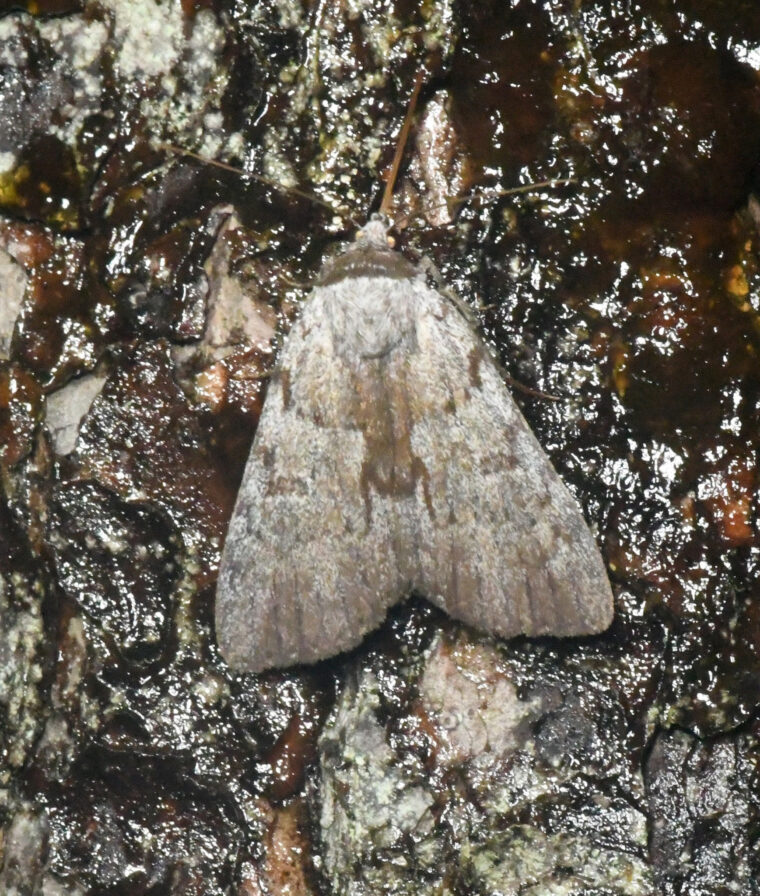
Sordid Underwing
Underwing species are one of the most interesting groups of moths, partly due to their diversity (there are over 100 species in North America) and partly due to their beauty (both from their cryptic camouflage above and their bright hindwings!). During the recent BioBlitz, this tiny little underwing came in to some bait along the Taiga Boardwallk. It turns out it was a Sordid Underwing, a species that uses blueberries as its host plant. This species is somewhat common in northern Minnesota, but has proved elusive during mothing sessions. This species is variable above, but has bright orange bands in its hindwing, which is a surprise when they fly away from potential predators!
(photo by Head Naturalist Clinton)
Simocephalus serrulatus
Last, but definitely not least…. a species of daphnia! Zooplankton have yet to be documented in the Sax-Zim Bog… until now! This tiny critter was documented from the remaining water in the sedge meadow behind the Welcome Center by a group of aquatic macroinvertebrate experts during our most recent bioblitz. In fact, Daniel Edwards (a Ph.D student specializing in aquatic beetles and true bugs) reached out to me based on the species lists on our website hoping to add a few more species to our list! He ended up attending the bioblitz with a crew of folks also working in aquatic macroinvertebrates and they found this awesome species during their field trip. What an exciting new addition to the world of tiny critters found in wetlands!
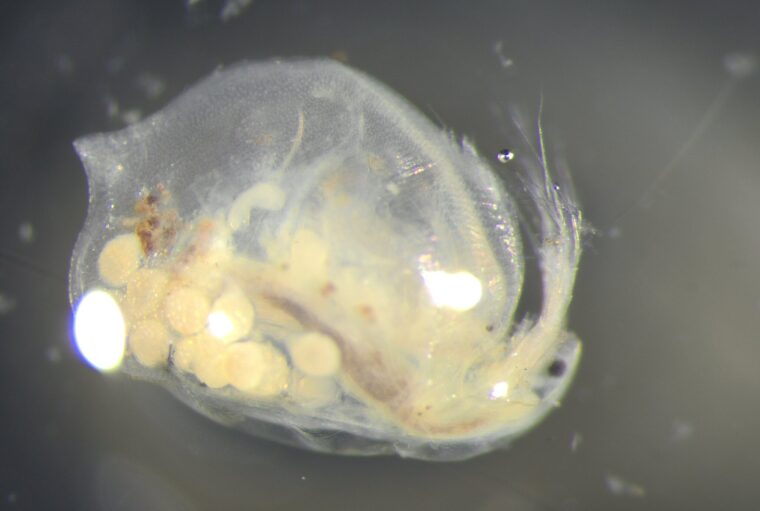
(photo by Daniel Edwards)
I hope you have enjoyed a stroll down memory lane, at least as far as biodiversity documentation goes in the greater Sax-Zim Bog ecosystem. It really is amazing what gets found and observed and shared in this area. I hope this also encourages you on your next visit to the Bog to step back from your target species (whether that might be birds or plants or bugs) and see what else you can find! You may be surprised at what is out in the vast peatlands, upland forests, wetlands, and more that make this area such a hotspot of biodiversity. And, if you have questions about those species always feel free to ask me or share them on iNaturalist. You never know what sort of discovery that question might bring back.
— Head Naturalist Clinton