The 14th Annual Sax-Zim Bog BioBlitz was held June 26-27, 2026 with some excellent weather, great field trips, and lots of biodiversity documented! As far as BioBlitzes go, we have not had a BioBlitz in June since Sax-Zim Bog BioBlitz 3! This means that June is relatively under-documented during our blitzes (as we typically have July or August BioBlitzes).
The weather for the event this year was great! We were lucky to miss some of the rain and storms earlier in the week and were met with some partly cloudy conditions and temperatures in the 70’s, which cleared up to sunshine by the end of the day. We were excited to offer 14 field trips this year, with some new field trip leaders and at least one new field trip topic (Caddisflies!) and the 2nd ever Reptile and Amphibian Field Trip offered! Speaking of field trip leaders, we had just shy of 20 folks leading or contributing to field trips this year, one of our highest totals ever! Attendance-wise, we had around 65 folks ready and eager to learn about the biodiversity of the greater Sax-Zim Bog ecosystem!
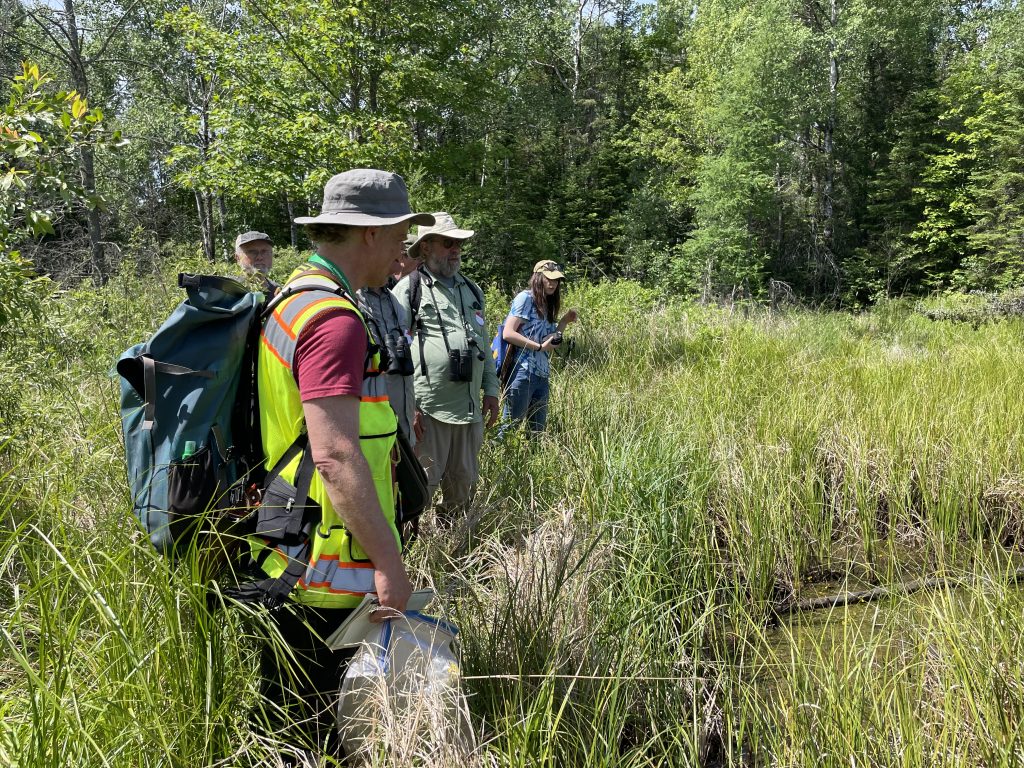
Enough of the background… what did we find?
We documented a total of 743 species, with 70(!!) of those species being new to the Greater Sax-Zim Bog Ecosystem Species List!! This is the 2nd highest number of species observed ever on our BioBlitzes and 70 new species is about average for new species documented, which is incredible considering that this event has been going on for 14 years! This was also the 8th consecutive BioBlitz that we have utilized iNaturalist as a way to engage with and document species in the Bog during the BioBlitz. So far, we have had 1327 observations by 16 folks, observing 504 species! This is the highest number of total observations on a BioBlitz iNat project ever and for the second year in a row we have broken 500 species documented via the project! Equally as exciting, 111 different folks have made ID’s on observations in this project, again showing the connection and value of iNat Projects for events like this. If you want to see what folks observed, check out the project here: https://www.inaturalist.org/projects/14th-annual-sax-zim-bog-bioblitz
Here is a quick snapshot of some of the experiences folks had and the species we found!
Total Species Documented: 743
New Species Recorded: 70
Biodiversity champions during this BioBlitz were Moths (219 species), Vascular Plants (107), Birds (87), Grasses and Sedges (45), and Spiders (40). The bulk of newly documented species were found in Moths (30) and Spiders (14). Of course, while documenting species diversity is part of this event, learning about these species is equally as important to us!
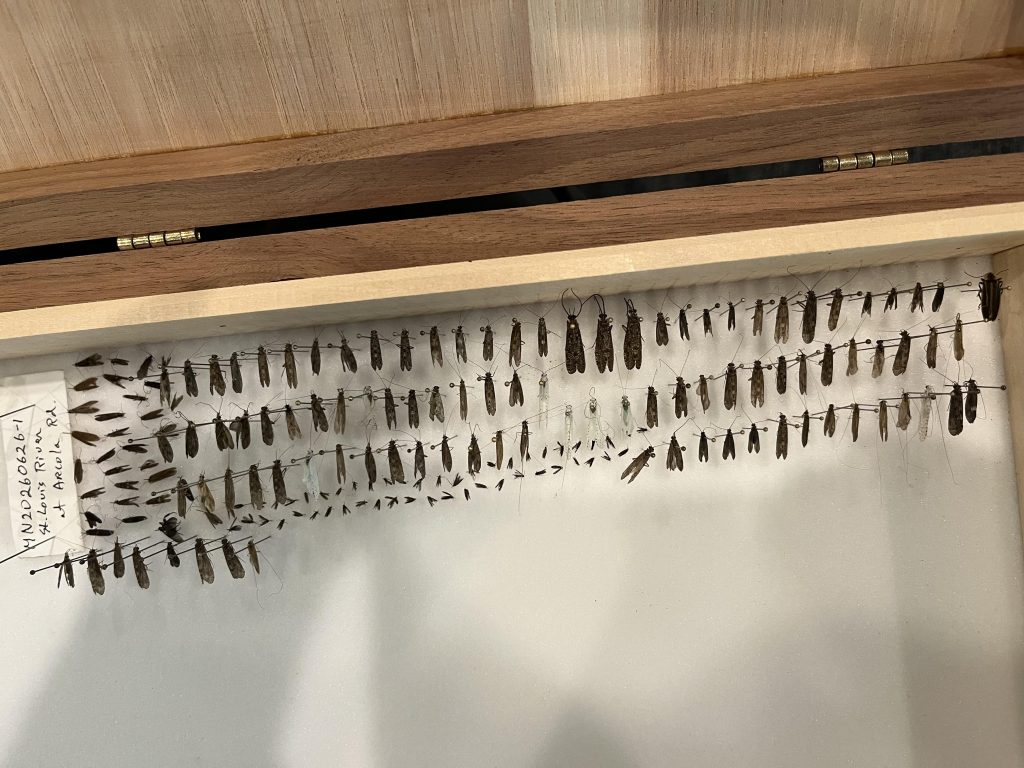
Officially, the BioBlitz starts on Friday evening, by 9:00 pm to observe some of the nighttime biodiversity in the area. Our Mothwatching field trip typically is our only nighttime offering, but this year we were lucky to have a Caddisfly Field Trip led by Robin Thomson, curator of the Insect Collection at the University of Minnesota who also happens to be a caddisfly expert! This was a field trip that was focused on collection, as many caddisfly species are not able to be accurately identified in the field and need microscopic examination (at least when they are adults!). Robin’s group was able to collect over 100 individuals to ID in the lab and received additional specimens from the mothwatching groups! Much of the ID will come later, but the Caddisfly group was able to collect 18 different caddisfly genera and an additional 18 genera were identified on the Aquatic Insects Field Trip! Likely, there will be some new species added to our list of biodiversity due to their efforts!
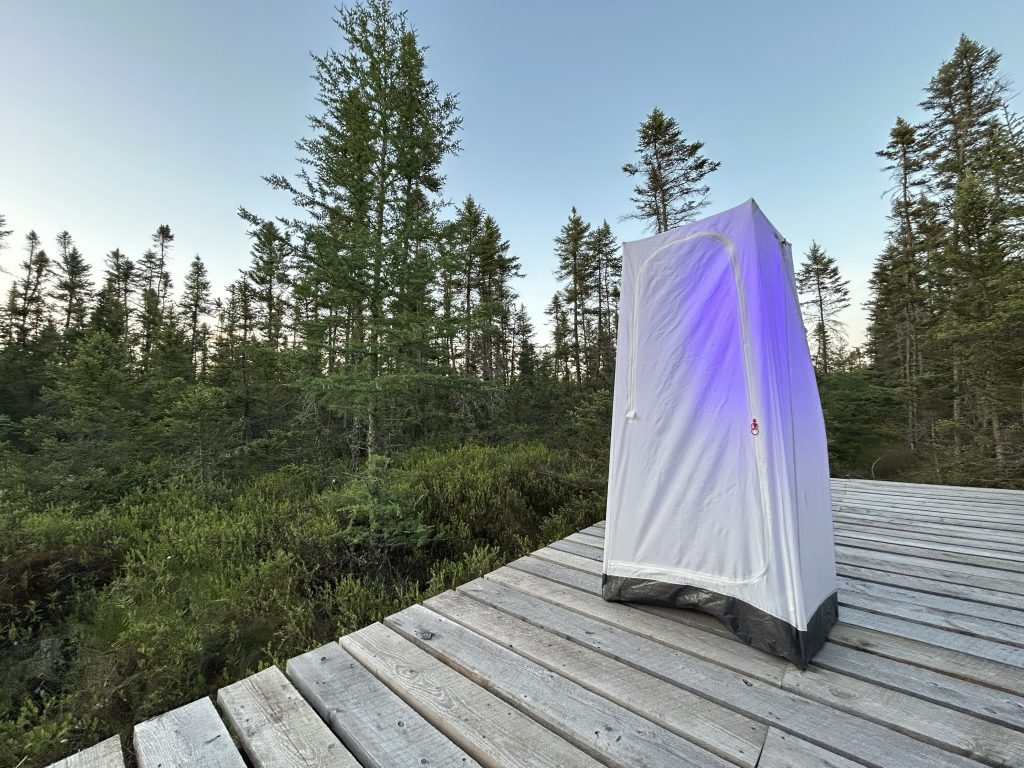
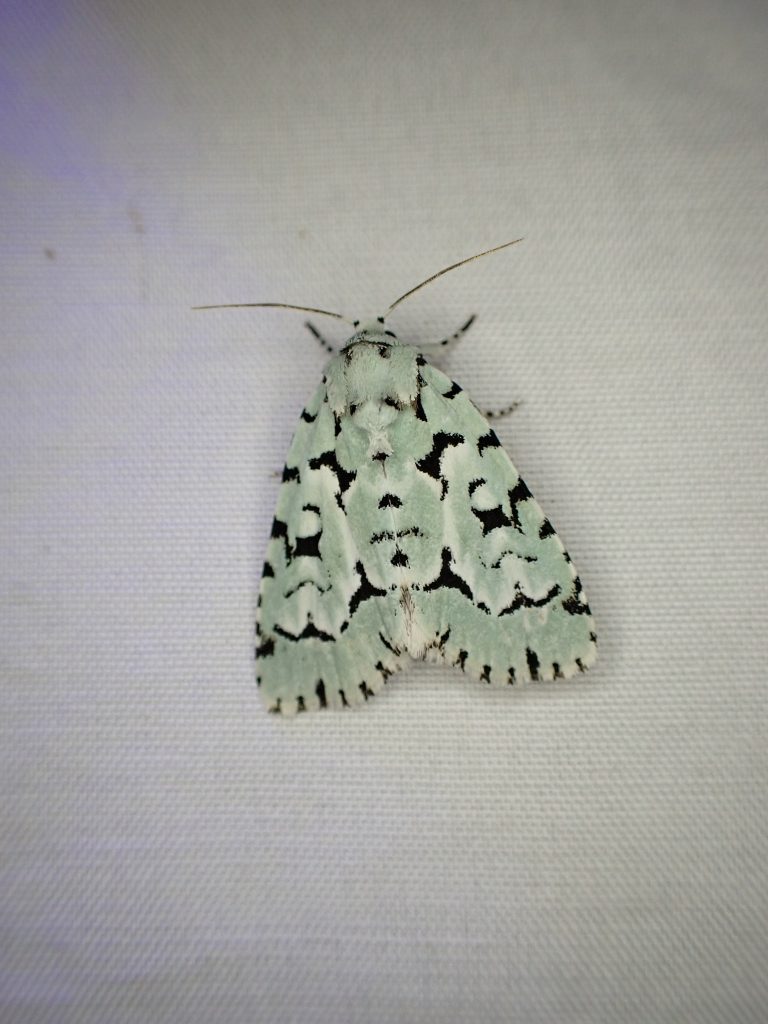
Mothwatching has become of interest to a number of Sax-Zim Bog visitors lately and this year was no exception! Our field trip had over a dozen folks attend, with a couple of younger moth watchers getting to stay up past their bedtimes to see some of the moths in our area. We had a total of 5 (!) different sheets set up, with Trevor and Pheobe bringing their sheet all the way from Ohio just to mothwatch! As seen from the species total, we documented over 200 species of moth and likely, will end up somewhere near 300 species as moth-whisperer and researcher Kyle Johnson documented an additional 186 species in one of his traps. We also were able to add at least 30 species to the species list, with an exciting addition. The species of the night was Gold-capped Moss-eater! With a name like that, surely this is a cool moth right? You are right! This is a species that is not only a first record for the state of Minnesota and also represents only the 2nd specimen in the Western Great Lakes after a collected specimen from Houghton County, Michigan in the 1960’s! Kyle (and other experienced moth folks) have been looking for this species for at least 20 years and he was head over heels excited to find this species during the BioBlitz!
From an evening of nighttime creatures, some folks woke up early to attend the Morning Birdwatching Field Trip (led by Greg Cleary) and a few folks continued birding into the afternoon, with an additional Birding Field Trip (led by Ezra Hosch) during the main BioBlitz! During our compilation, Greg was quick to mention that leading a birding field trip during the breeding season was much more exciting than the last couple of August BioBlitzes as birds were still singing and much easier to find! Both field trips found around 64-65 species (which is almost double what the August trips find!) and found 87 total species! This included 16 species of warbler (including Golden-winged and Connecticut Warblers), Red Crossbill, Eastern and Western Meadowlark, among others. We don’t often get to offer two bird-focused field trips during a BioBlitz, but were happy to do so this year.
Other highlights from the day included a small handful of insect-focused field trips and 2 plant field trips! While invertebrate biodiversity is tough to quantify in the region as we have so many bugs yet to document and not nearly enough field trips for bugs…. our vertebrate diversity is a little easier to quantify, but sometimes need specialized equipment or knowledge to find.
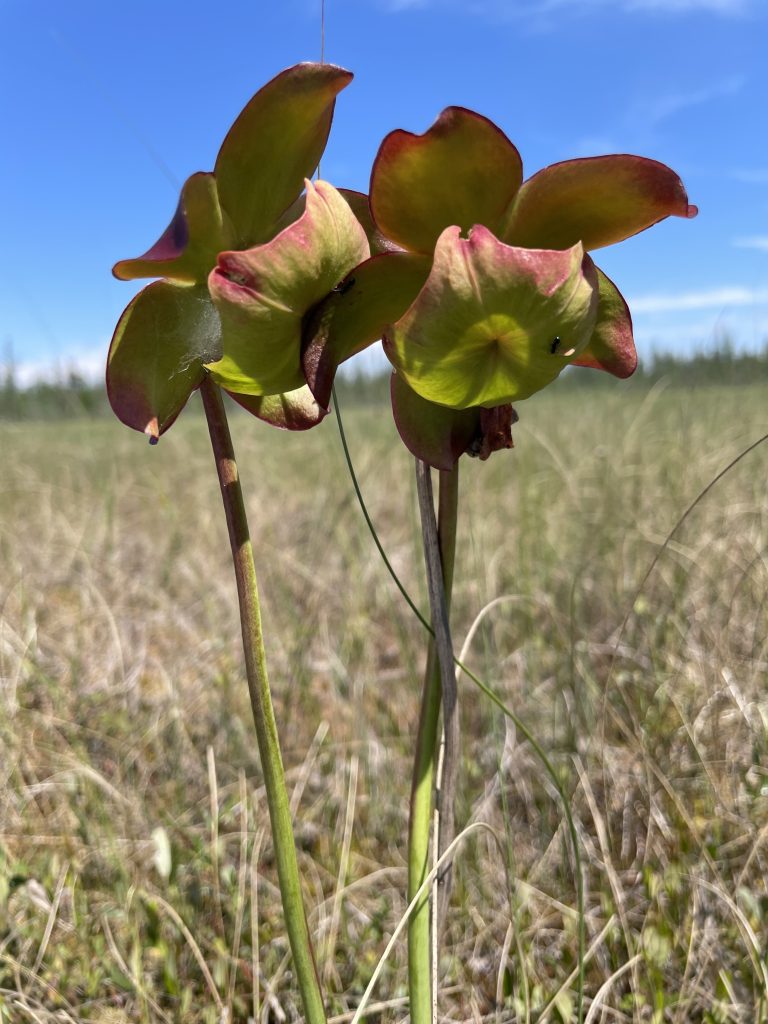
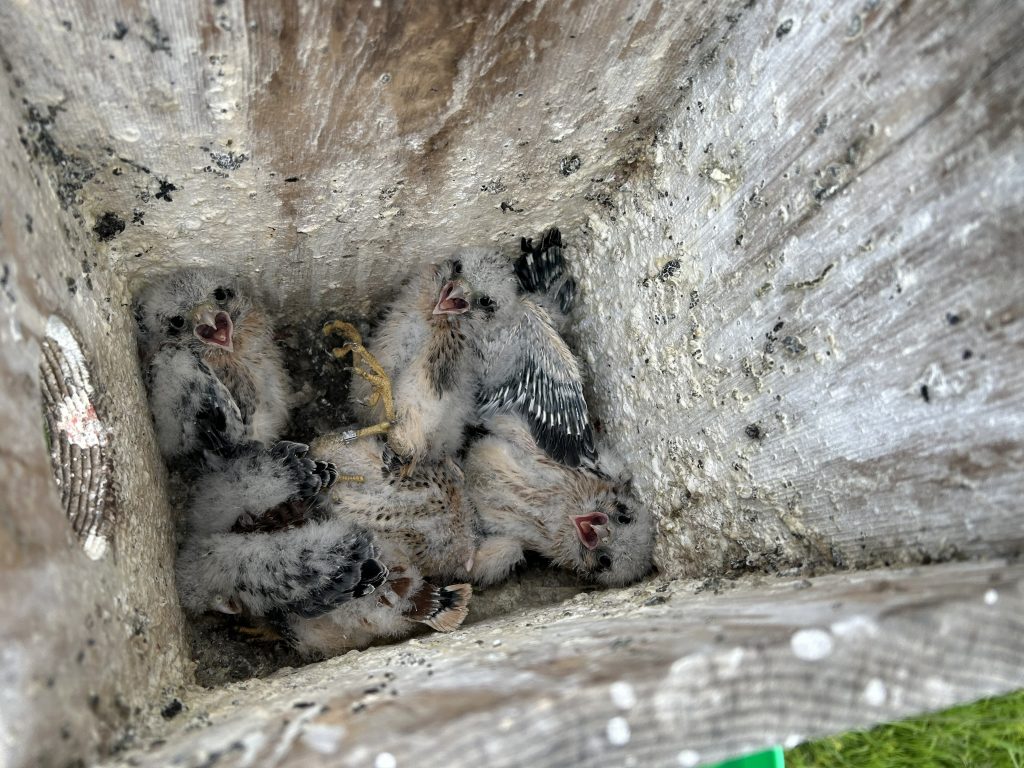
We were excited to offer our 2nd ever Reptile and Amphibian Field Trip during a BioBlitz, which documented 10 species. This might not seem like a lot (compared to over 200 moth species!), but did make up nearly 75% of the total biodiversity of Reptiles and Amphibians in the region! In fact, the group only missed 4 species from the total diversity documented. Highlights from this trip included Blue-spotted Salamander and a last minute Eastern Gartersnake! Finding reptiles and amphibians can take a lot of looking and waiting and sometimes finding piles of rocks or sticks to search through and finding 10 species is really incredible!
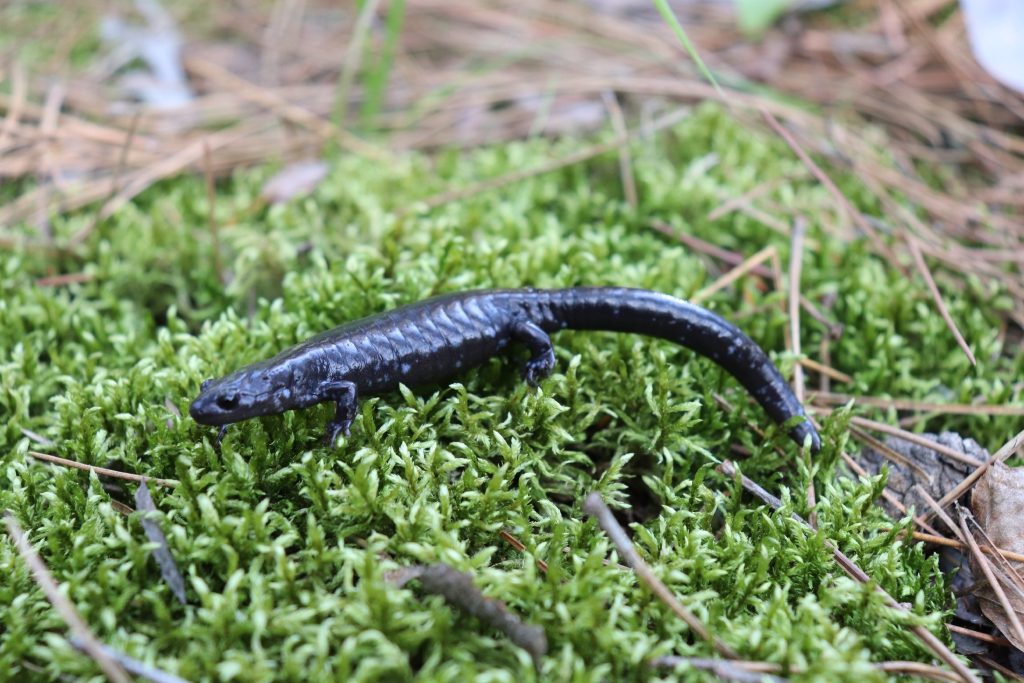
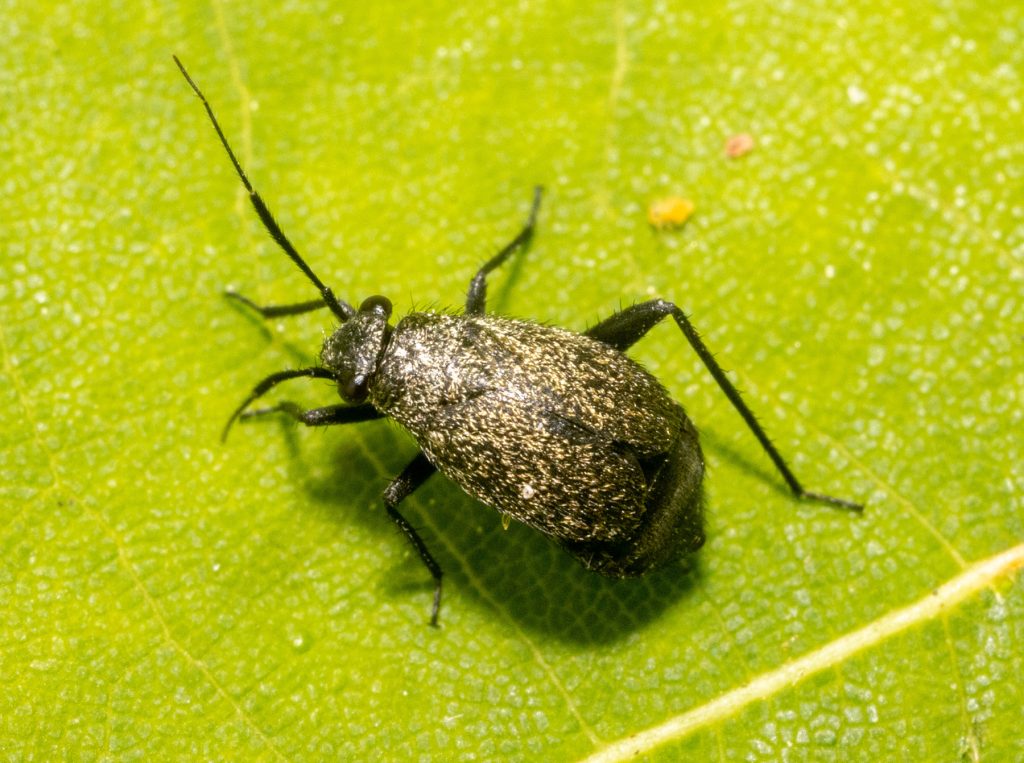
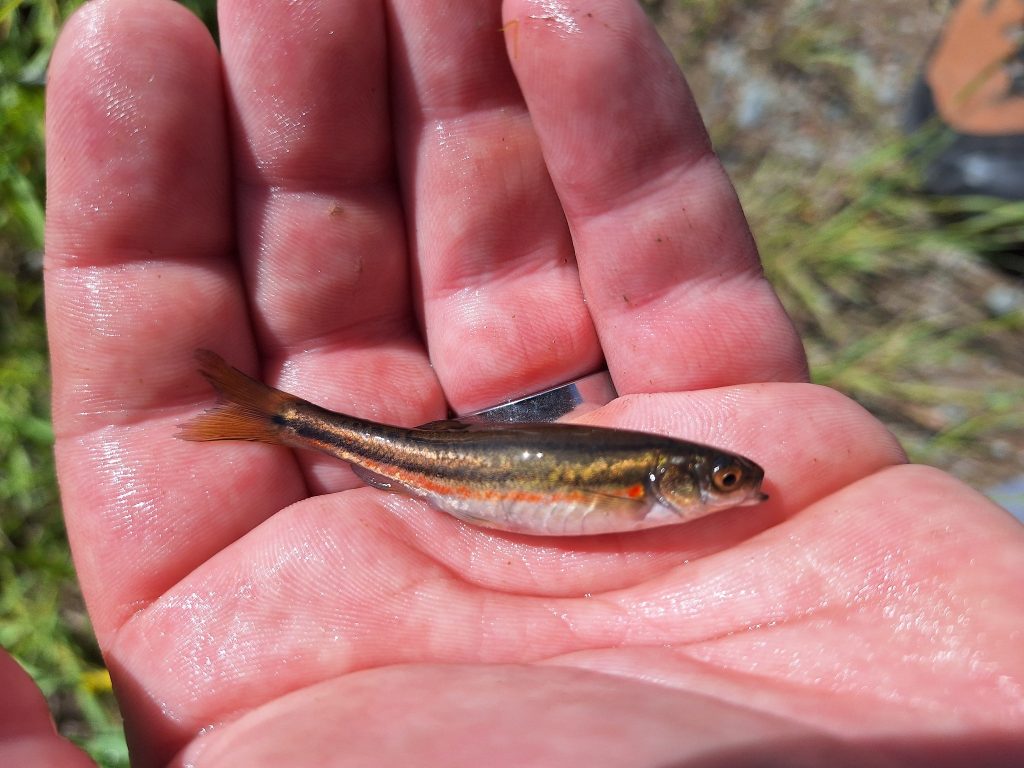
As far as equipment goes, documenting aquatic biodiversity requires some specialized equipment sometimes! You can find species with nets and fishing poles and even just by looking into the water, but having specialized traps and survey equipment makes documenting diversity much easier! Luckily, Collin Nienhaus (Fish Field Trip leader and also my brother!) has such equipment that he uses to educate as a science teacher! With 12 species documented, diversity was pretty exciting, including all three bog-adapted daces (Northern Redbelly, Finescale, and Northern Pearl) and lots of Central Mudminnows!
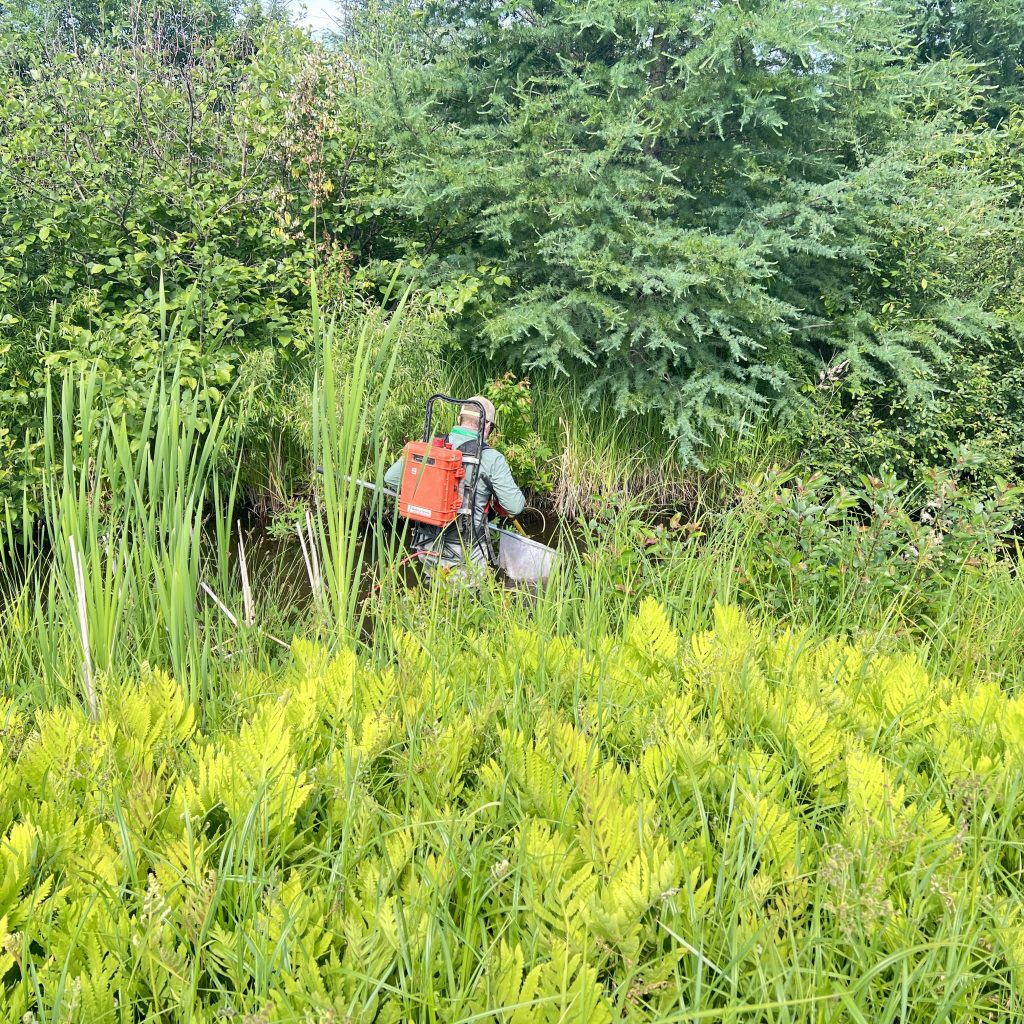
With several new beetle species, a couple of new leafminers and gall forming species, and more spiders than we can take the time to describe here it was a great day of BioBlitzing!! We thank everyone who attended this event, all of the field trip leaders and folks supporting the field trips we offered, as well as those of you who like keeping track of this event through our Bog Blog Posts! We cannot WAIT for the 15th Annual Sax-Zim Bog next year!
Until next time, we will see you in the Bog!
–Head Naturalist Clinton